Add your promotional text...

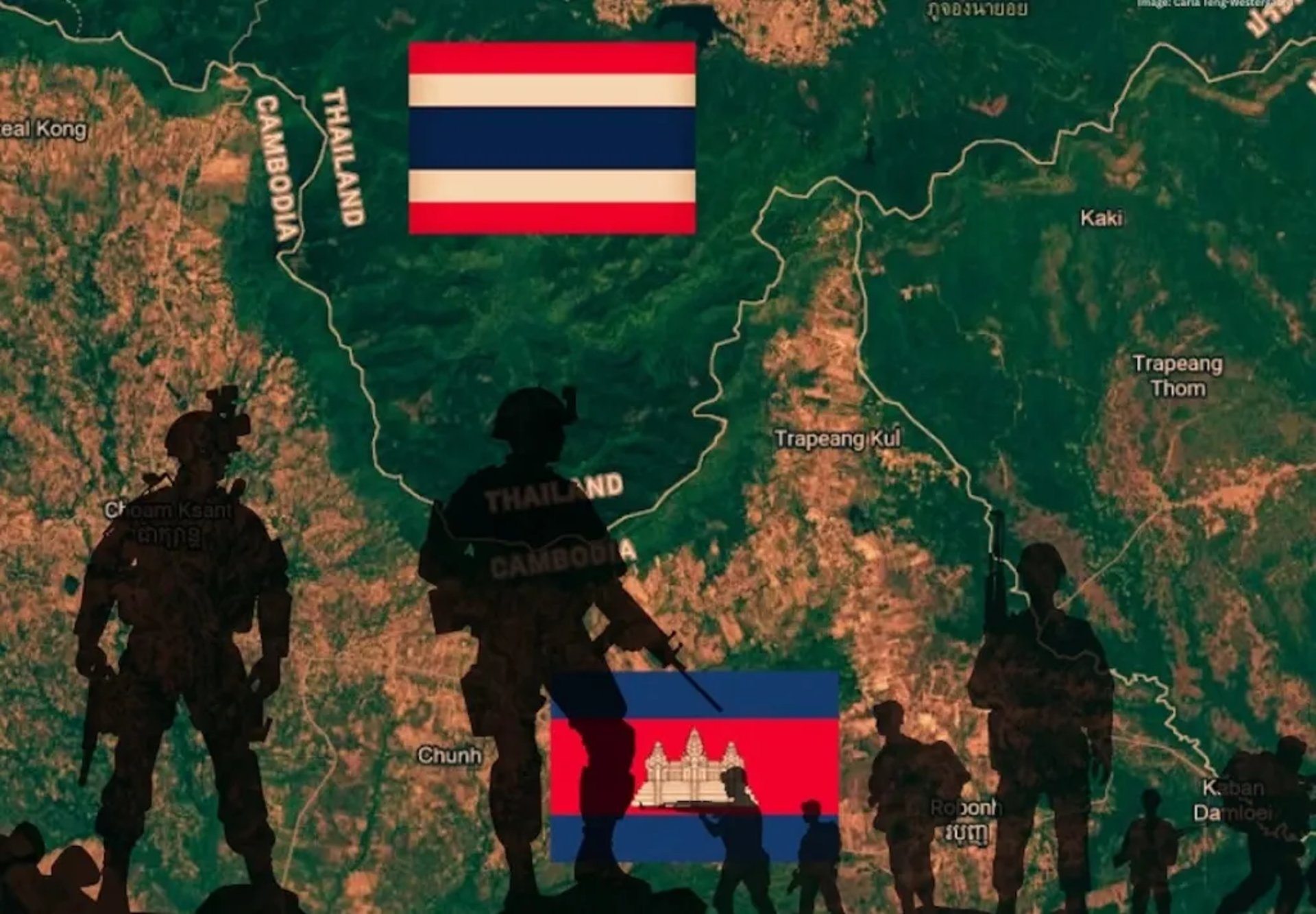
THAILAND VS CAMBODIA: THE POSSIBILITY OF BEING BROUGHT AGAIN BEFORE THE ICJ AND THE ROLE OF ASEAN
This study examines Cambodia’s prospects of initiating a new case before the International Court of Justice (ICJ) following the Court’s 1962 judgment on the Temple of Preah Vihear and its 2013 interpretation. The research asks whether disputes concerning four border areas—Ta Muen Thom, Ta Muen Toch, Ta Krabey, and Mom Bei—may constitute a new object of contention capable of falling under the Court’s jurisdiction. Relying on the ICJ Statute (particularly Article 36), the principle of res judicata, and relevant jurisprudence such as Nicaragua v. Colombia (2012), the analysis finds that while the earlier proceedings conclusively settled matters related to the temple area, they did not cover the four contested sectors. Thus, in principle, Cambodia may bring a new application before the ICJ. However, the absence of Thailand’s consent to jurisdiction— whether through a special agreement, optional clause declaration, or compromissory clause—remains the decisive legal barrier. In parallel, the paper analyzes ASEAN’s role in managing the Thailand–Cambodia dispute through the ASEAN Charter, the Treaty of Amity and Cooperation (TAC), and the ASEAN Political–Security Community (APSC) Blueprint. It concludes that although ASEAN’s non-interference and consensus norms limit its capacity, the organization has meaningfully contributed to de-escalation through mediation, preventive diplomacy, and facilitative dialogue.
Riska Zaskia Faradillah, W. Lathifa LunaQalbi Bempah
12/8/20251 min read